Crypto Volatility: Risks to Understand
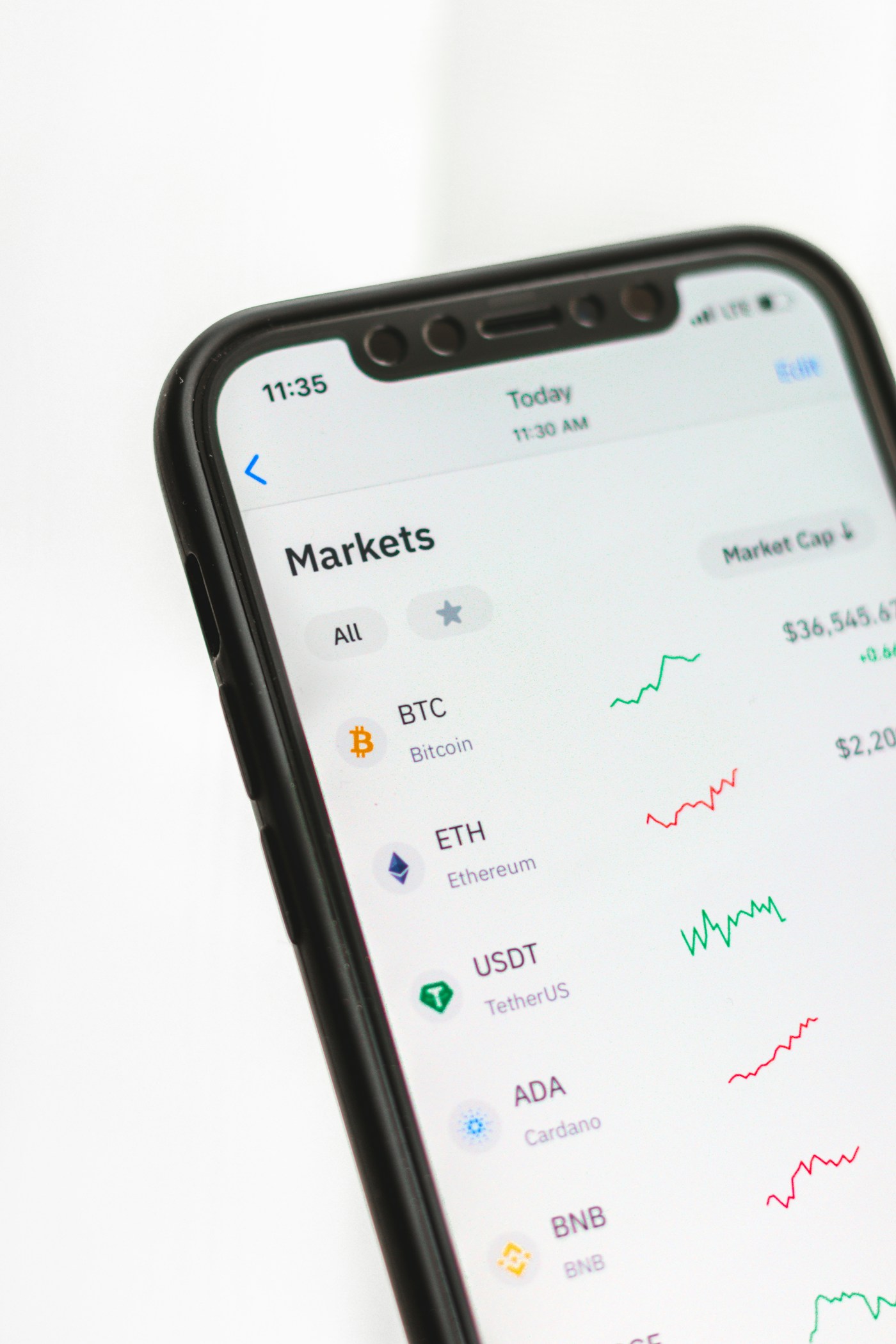
Crypto-asset prices can change quickly, but volatility is only one part of the risk. A trader or investor may also face thin liquidity, wide spreads, unreliable price discovery, leverage, custody failures, platform outages, smart-contract vulnerabilities and changing regulation. A chart showing a quoted price does not prove that a large order can be executed near that price.
Measure volatility without confusing it with direction
Volatility describes the magnitude of price variation over a period; it does not say whether the next move will be up or down. A simple historical measure compares periodic returns, but the result depends on the selected window, sampling frequency and market venue. A quiet month does not establish that the next month will also be quiet. Crypto markets can experience abrupt regime changes after policy announcements, exchange incidents or liquidity shocks.
Liquidity, spread and slippage
The bid is the highest displayed buying price and the ask is the lowest displayed selling price. Their difference is the spread. Slippage is the difference between an expected execution price and the actual fill. Both can widen when order books are thin or markets move quickly. Displayed depth can be cancelled and does not guarantee execution.
| Illustrative order-book snapshot | Value |
|---|---|
| Best bid | $99.90 |
| Best ask | $100.10 |
| Quoted spread | $0.20 (about 0.20% of midpoint) |
| Market buy size | Large enough to consume several ask levels |
This hypothetical snapshot shows why the best ask is not necessarily the average fill price for a large market order. Compare depth across venues, understand fee schedules and avoid assuming that volume reported by a platform is directly comparable with another venue's volume.
Leverage and liquidation
Borrowed exposure magnifies the effect of price movements on the trader's equity. If collateral falls below a platform's maintenance threshold, positions may be liquidated automatically. The exact trigger, fee, insurance mechanism and treatment of negative balances differ by product and provider. Read the contract terms and liquidation methodology; do not infer them from a headline leverage multiple.
Custody and operational risk
Holding assets through a centralized service introduces counterparty, withdrawal, cybersecurity and operational risks. Self-custody avoids some intermediary risks but transfers responsibility for private keys, recovery phrases, device security and transaction verification to the owner. A mistaken blockchain transfer may be irreversible. Smart-contract applications add code, oracle, governance and bridge risks.
How to evaluate a crypto venue or product
- Identify the legal entity operating the service and the jurisdiction in which it operates.
- Read custody, withdrawal, fee, liquidation and dispute terms.
- Check whether an independent audit is relevant to the exact product and date; an audit is not a guarantee.
- Understand whether assets are segregated and what happens in insolvency.
- Verify token contract addresses from more than one authoritative project channel.
- Be cautious of guaranteed returns, pressure to act quickly and unsolicited recovery offers.
Scenario: a volatile move in a thin market
Imagine a hypothetical token quoted at $100 with a narrow displayed spread. A large sell order arrives while market makers withdraw bids. The next available bids may be materially lower, so a market sell can fill across several price levels. A stop-market order may also execute below its trigger. This is a liquidity and execution problem, not merely a question of whether the token's daily volatility is high.
Risk review before interacting
Ask whether the asset can be independently valued, whether the venue permits withdrawals, what protections actually apply, how the order will execute and whether the full amount could be lost. Avoid borrowing to speculate unless the consequences and product rules are fully understood. There is no universal volatility threshold that makes a crypto asset safe.
Measure the Cost of Liquidity
A quoted market price is not necessarily the price available for an entire order. A useful review compares the best bid and ask, the quantity available at each price level, recent trading volume and the likely market impact of the intended order. Data should be collected from the exact venue and trading pair being evaluated.
Hypothetical order-book example
| Bid level | Available quantity |
|---|---|
| $99.90 | 2 units |
| $99.50 | 3 units |
| $99.00 | 5 units |
A market sell order for 10 units would consume all three illustrative bid levels. Its average execution price would be lower than the first displayed bid. This example is hypothetical and does not describe a live exchange order book.
Questions to ask before using a venue
- Does the displayed volume belong to the exact trading pair?
- Can withdrawals be paused, delayed or restricted?
- Are customer assets segregated, and what legal entity holds them?
- What are the liquidation, custody and dispute procedures?
- Are token contract addresses verified through authoritative project sources?