What Can Influence Gold Prices?
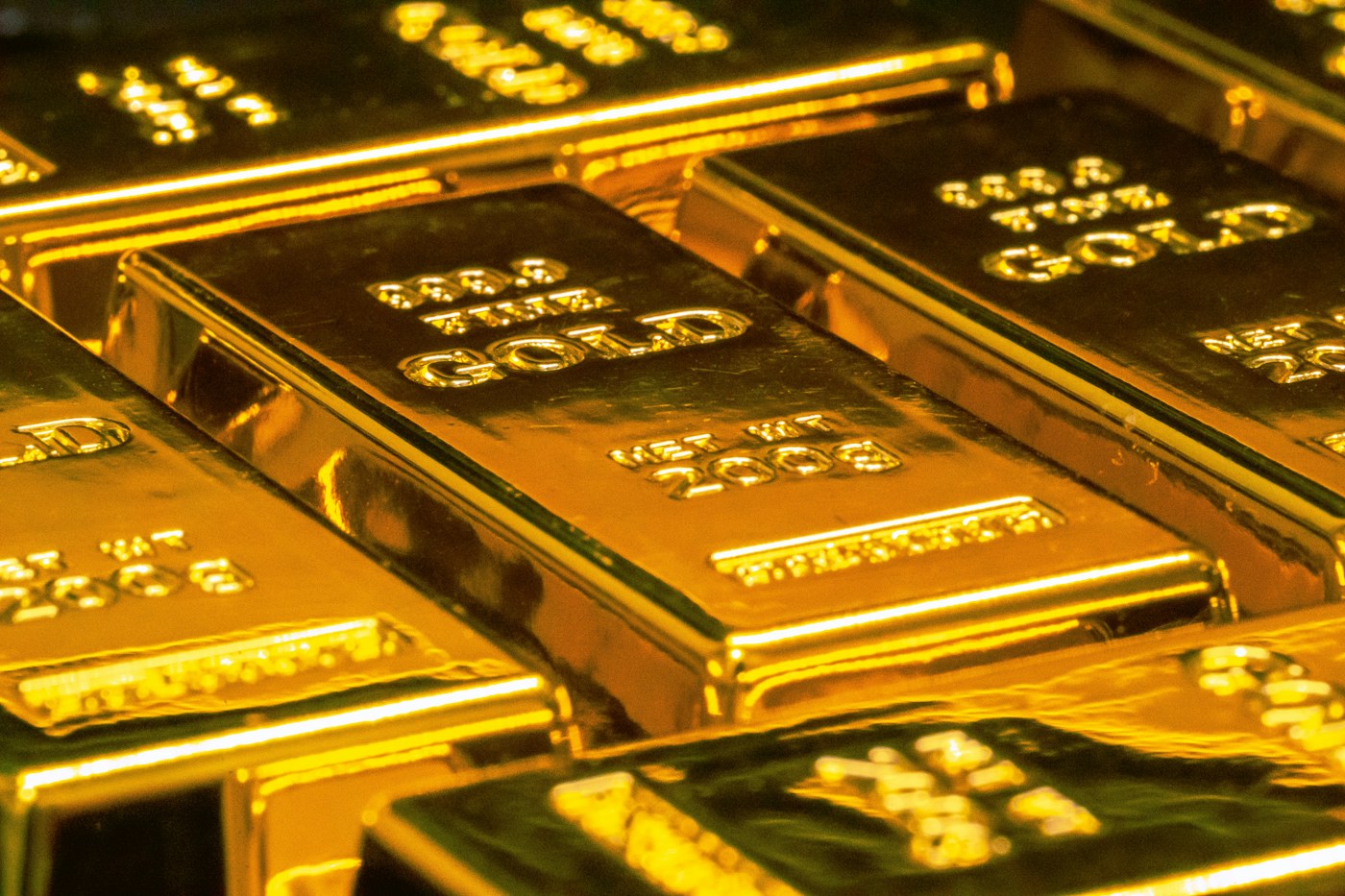
Gold prices respond to several forces that can reinforce or offset one another. Important influences include real interest rates, currency movements, investor demand, central-bank activity, jewellery and technology demand, geopolitical uncertainty and market positioning. No single factor explains every price move, and gold does not generate a contractual coupon or dividend.
Real interest rates and opportunity cost
Real yields are nominal yields adjusted for expected or realized inflation, depending on the measure used. When real yields on competing assets rise, the opportunity cost of holding non-yielding gold may increase. When real yields fall, that opportunity cost may decline. This is a framework, not a mechanical trading rule: currency changes, risk appetite and physical demand can dominate over particular periods.
The U.S. dollar and currency effects
Gold is commonly quoted in U.S. dollars internationally. A stronger dollar can make dollar-priced gold more expensive for buyers using other currencies, potentially affecting demand; a weaker dollar can have the opposite effect. The relationship is not constant. Local-currency gold prices also reflect the exchange rate between the dollar and the buyer's currency, plus local premiums and taxes.
Inflation expectations and confidence
Some investors use gold as a store-of-value asset or portfolio diversifier, but its short-term response to inflation is inconsistent. The market may focus more on the central-bank response, real yields or currency movements than on the inflation reading itself. Gold can fall during periods of high inflation if real yields or the dollar rise, for example.
Central banks, jewellery and investment demand
Official-sector purchases and sales can influence demand, while jewellery consumption is affected by income, culture, local prices and seasonality. Investment demand can include bars, coins, exchange-traded products and futures positioning. These categories are measured differently and should not be added together without checking definitions and reporting periods.
Geopolitical risk and market positioning
Uncertainty can increase demand for assets perceived as defensive, but the effect depends on the event, liquidity needs and investor positioning. During a market shock, investors may sell liquid assets to meet margin calls. Futures positioning can also amplify moves when crowded trades unwind. A safe-haven label does not mean gold always rises during stress.
Scenario analysis: mixed signals
| Factor | Possible implication | Important caveat |
|---|---|---|
| Real yields rise | Can weigh on gold | Other demand may offset it |
| U.S. dollar weakens | Can support dollar-priced gold | Relationship varies over time |
| Official-sector buying increases | Can add demand | Data may be delayed or revised |
| Investors need cash urgently | Gold may be sold for liquidity | Short-term flows can dominate |
How to research the gold market
Set a time horizon first. Then check a consistent real-yield series, a broad dollar measure, official-sector and investment-demand data, futures positioning and the relevant local-currency exchange rate. Record the date and frequency of each series; monthly demand statistics should not be compared as if they were real-time prices. Explain whether a conclusion is based on correlation, a plausible mechanism or direct evidence.
Common mistakes
Avoid assuming that inflation always makes gold rise, that geopolitical tension guarantees a rally, or that a single day's price action proves a long-term relationship. Avoid comparing nominal yields with real yields without labelling the difference. Gold can be volatile and may underperform other assets for extended periods.
Use Data to Study Gold Price Drivers
A useful gold-market review compares more than the spot price. Researchers can examine inflation-adjusted Treasury yields, the U.S. dollar, official-sector demand and investment flows. These series describe different mechanisms and should not be treated as interchangeable explanations.
Three useful data references
| Factor | Data reference | What to examine |
|---|---|---|
| Real yields | FRED DFII10 | 10-year inflation-indexed Treasury yield |
| Broad dollar | FRED DTWEXBGS | Trade-weighted U.S. dollar index |
| Gold market research | World Gold Council data | Demand, supply and investment context |
How to compare the series
- Choose a defined period, such as one year, and record the start and end dates.
- Download or view the gold-price series and note its currency and unit.
- Compare the same dates with the real-yield and dollar series.
- Calculate percentage change for price indexes and percentage-point change for yields.
- Mark major central-bank announcements and other events on the timeline.
- Look for periods when the relationship breaks down and investigate other possible drivers.
Illustrative interpretation
If real yields rise during a period when gold falls, the pattern is consistent with a higher opportunity cost for holding a non-yielding asset. It does not prove that yields caused the entire decline. A stronger dollar, changes in investor positioning, central-bank activity or liquidity can also influence the price.
Do not compare a nominal Treasury yield with a real yield without labelling the difference. Do not describe correlation as proof of causation. Gold can underperform for extended periods and may be volatile.